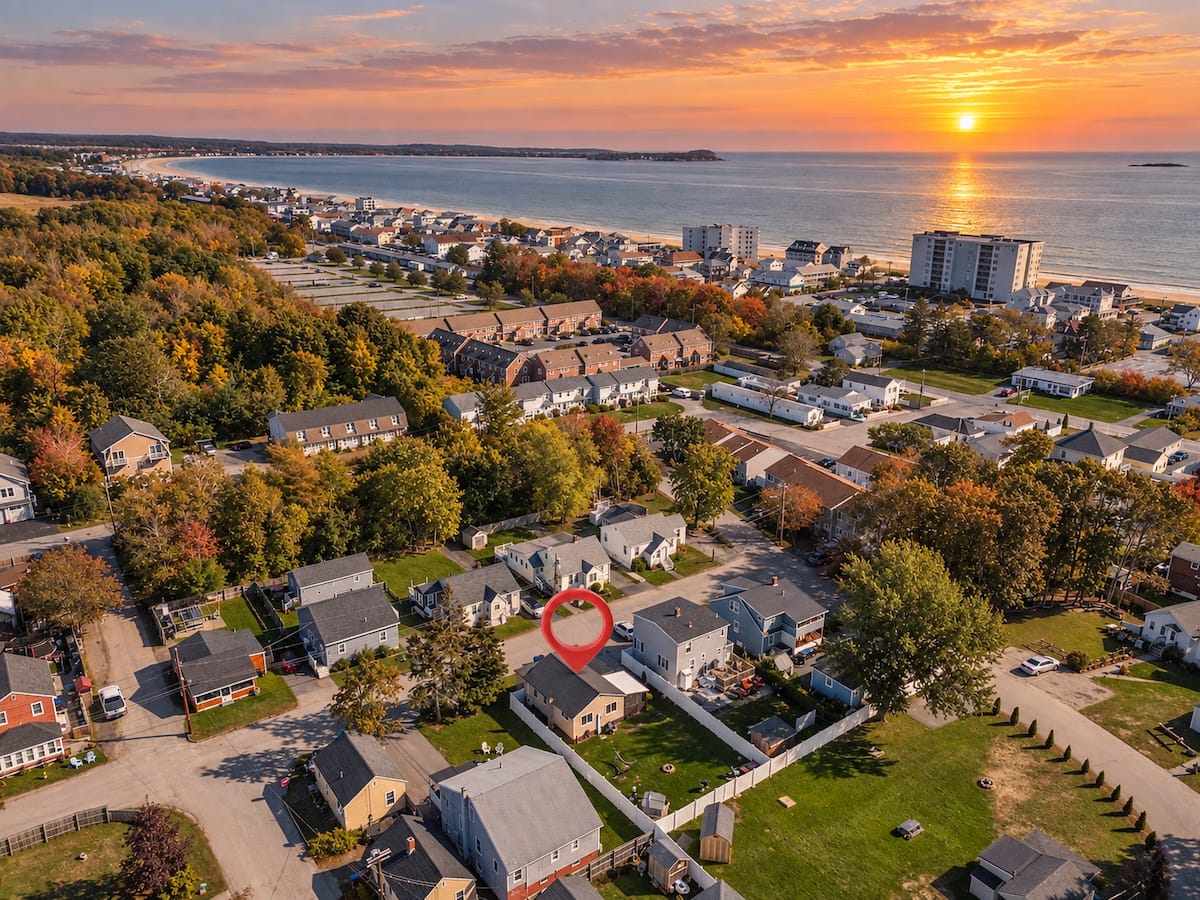
Your rental is an asset.
We partner. We invest. You earn.
Your property's potential
Unlocked with Premier STR
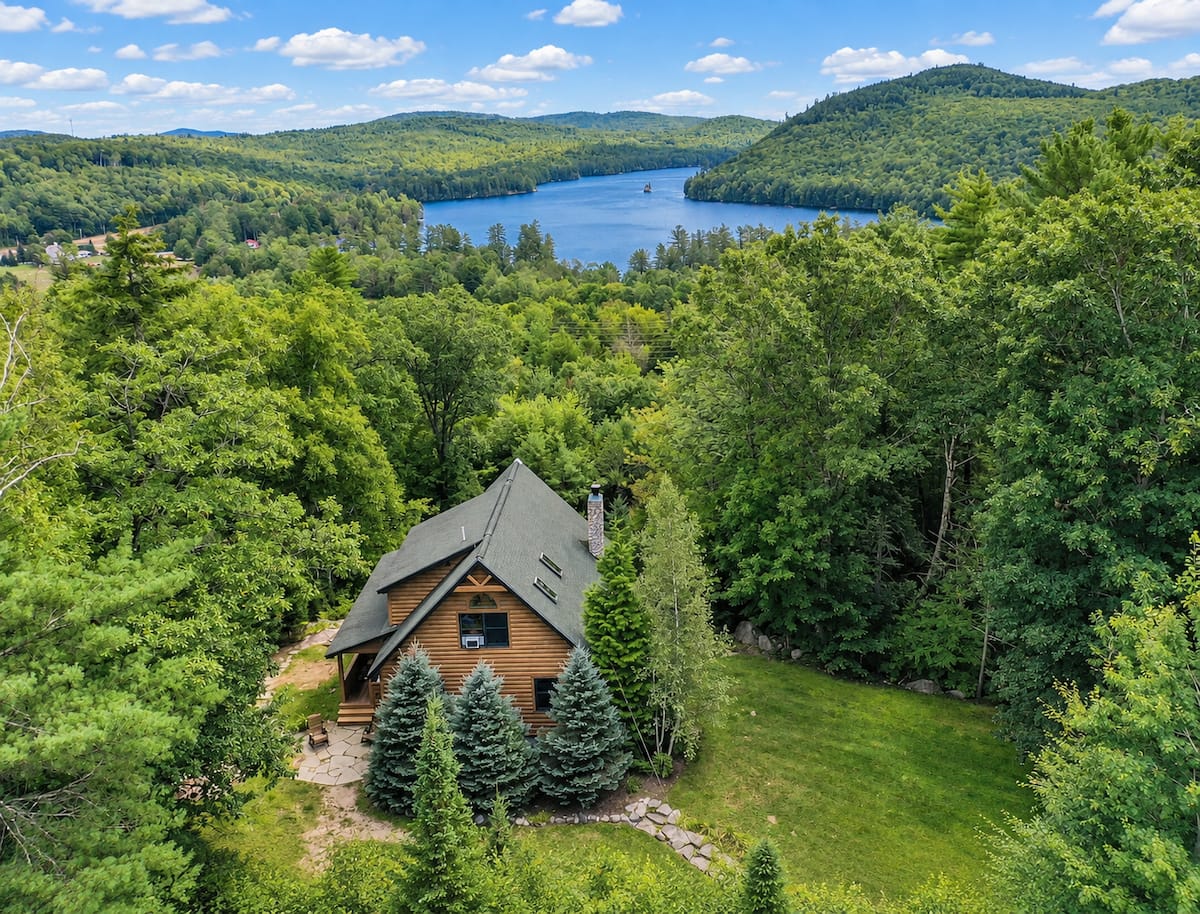
Lakeview Log Cabin · Bryant Pond, ME
Tell us about your place and Nick personally reviews your listing, photos, and pricing, then lays out exactly how we would run it, market it, and grow it. No cost, no obligation.
Your details are with Nick, and he will reach out within one business day to review your property and how we would run it. Want to lock in a time now? Grab one below.
We manage every part of your short-term rental as a performing asset, so ownership stays effortless.
Dynamic pricing, adjusted daily against demand, competitors, and local events, and tuned for total performance over the full year.
Every message answered within minutes, day or night. Response time that keeps your ranking high and your guests happy.
Proactive guest screening, clear expectations, and rapid review responses to protect and build your rating.
Professional cleaning coordinated after every checkout. Supplies stocked, property inspected, always guest-ready.
Regular inspections, guest screening, and trusted local vendor coordination keep your property in top condition.
Revenue, occupancy, and booking pace, in detailed monthly statements with full transparency. You always know how your asset is performing.
We earn your business every month, with results and a real relationship, not a long lock-in.
Begin with a full 30 days of management at no charge. See exactly how we run your property before you pay anything.
After the first 60 days, all we ask is 30 days' written notice to cancel, from either side. No penalties.
You always reach Nick, the owner-operator running your property, directly. Day or night, never a call center.
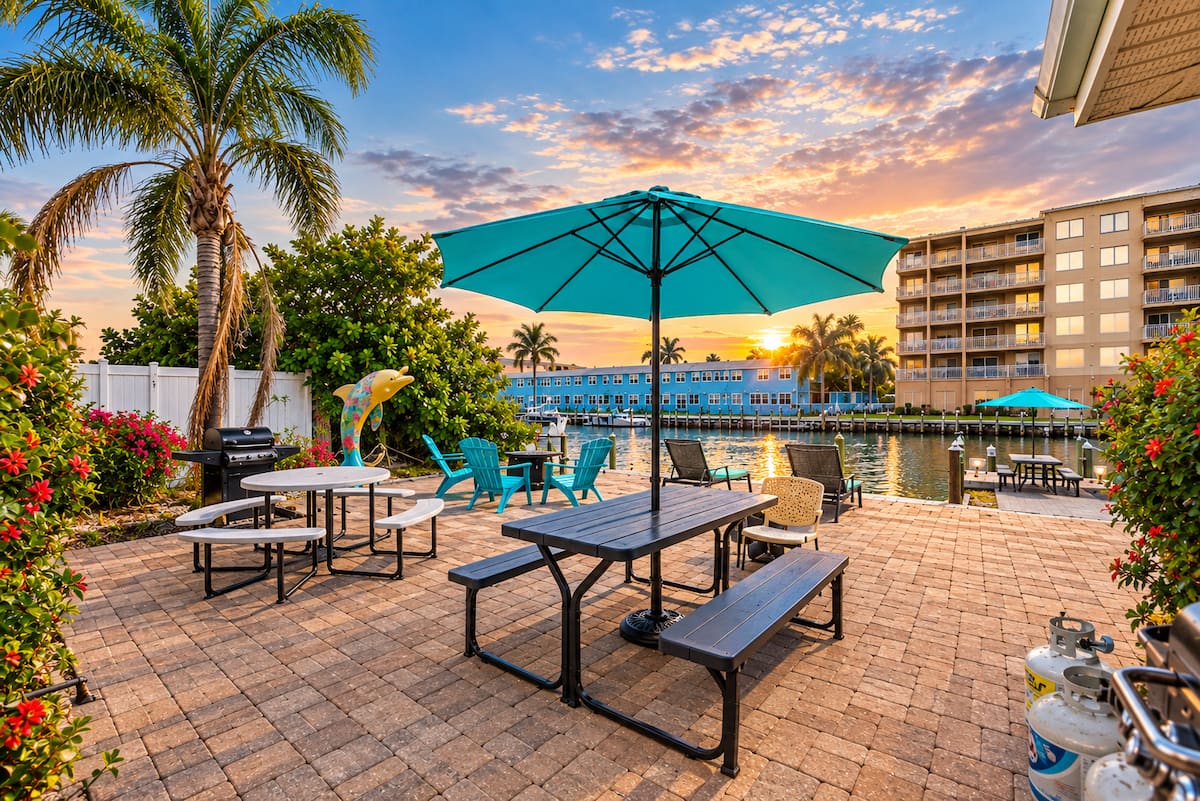
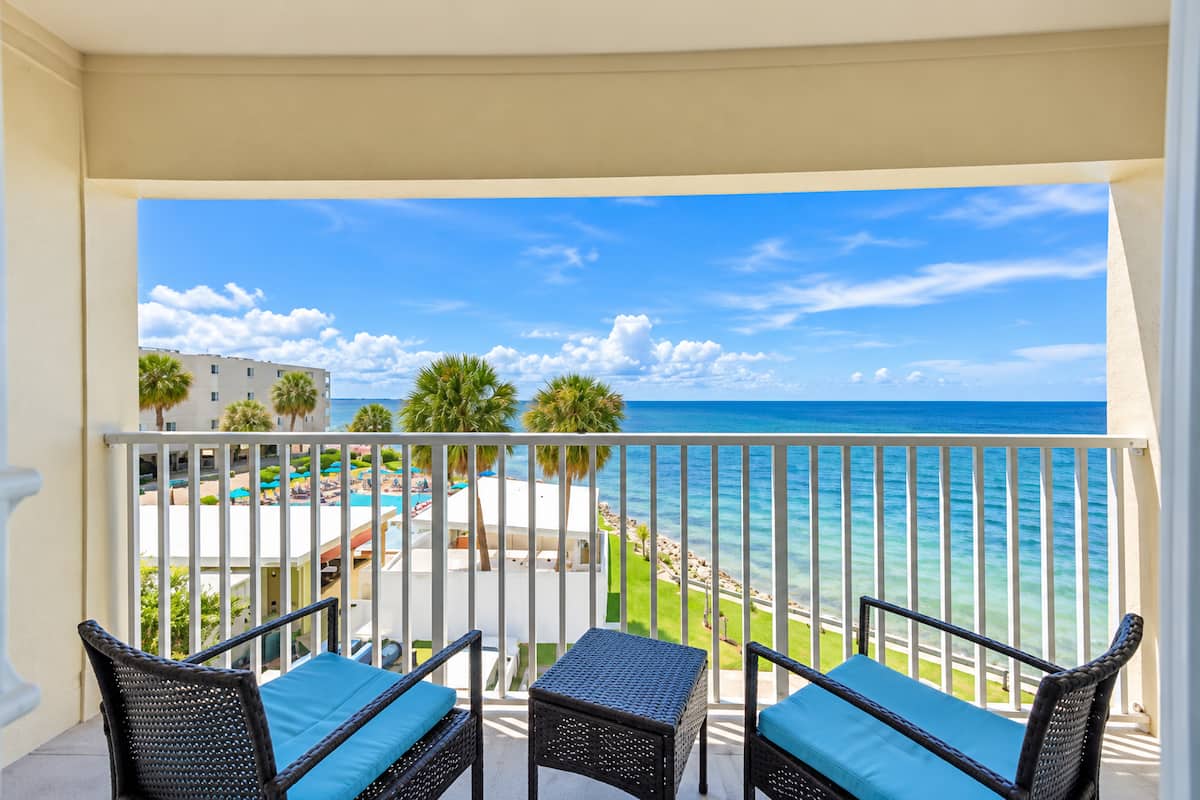
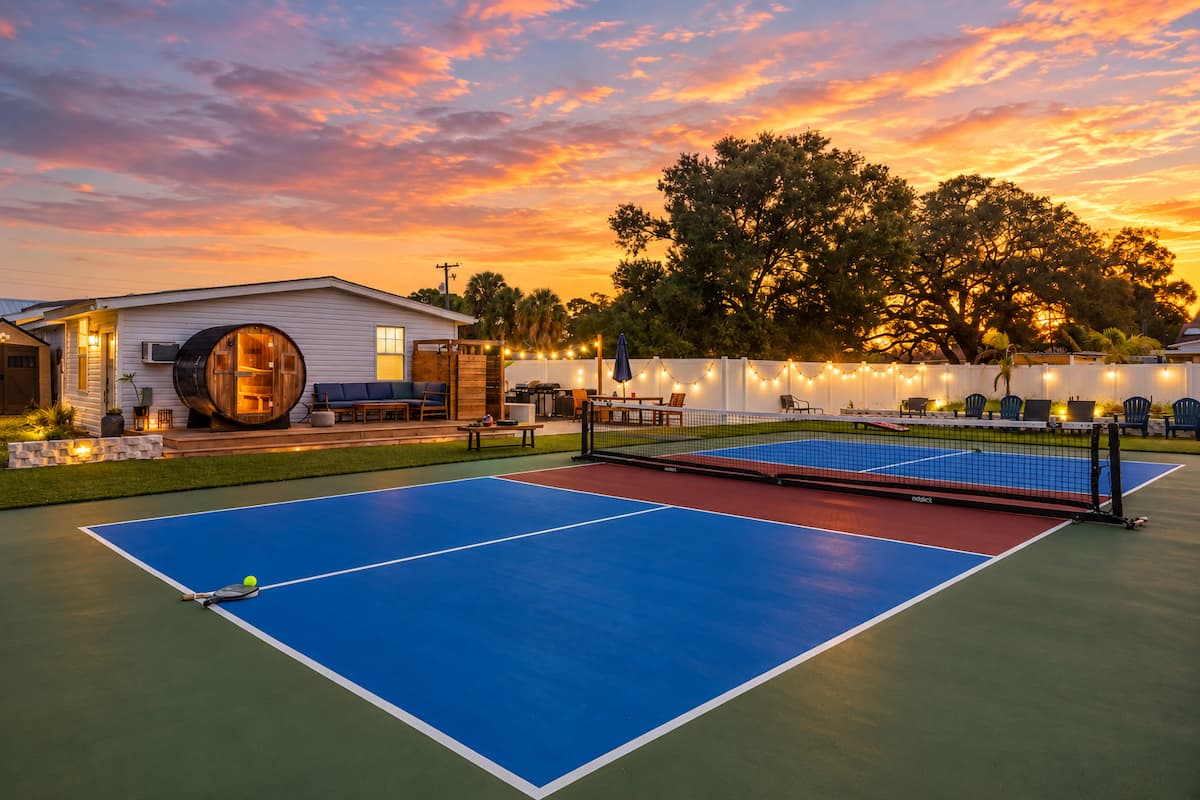
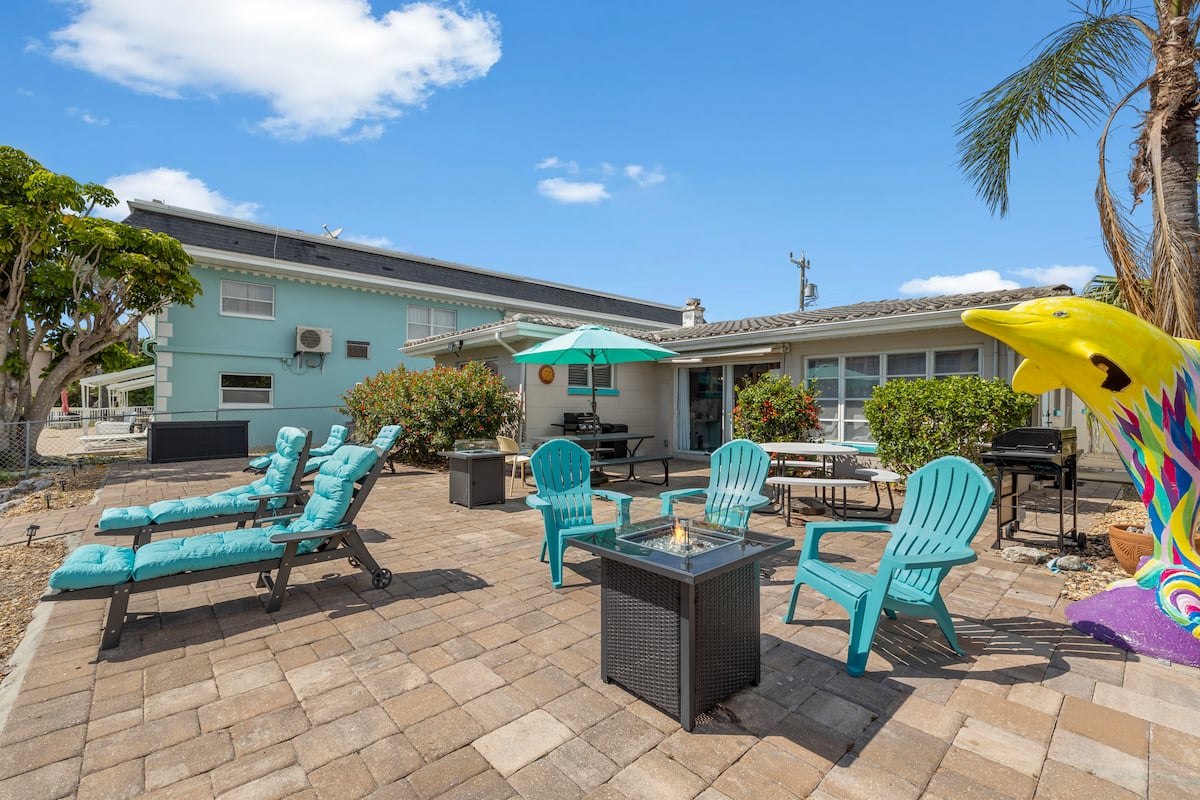
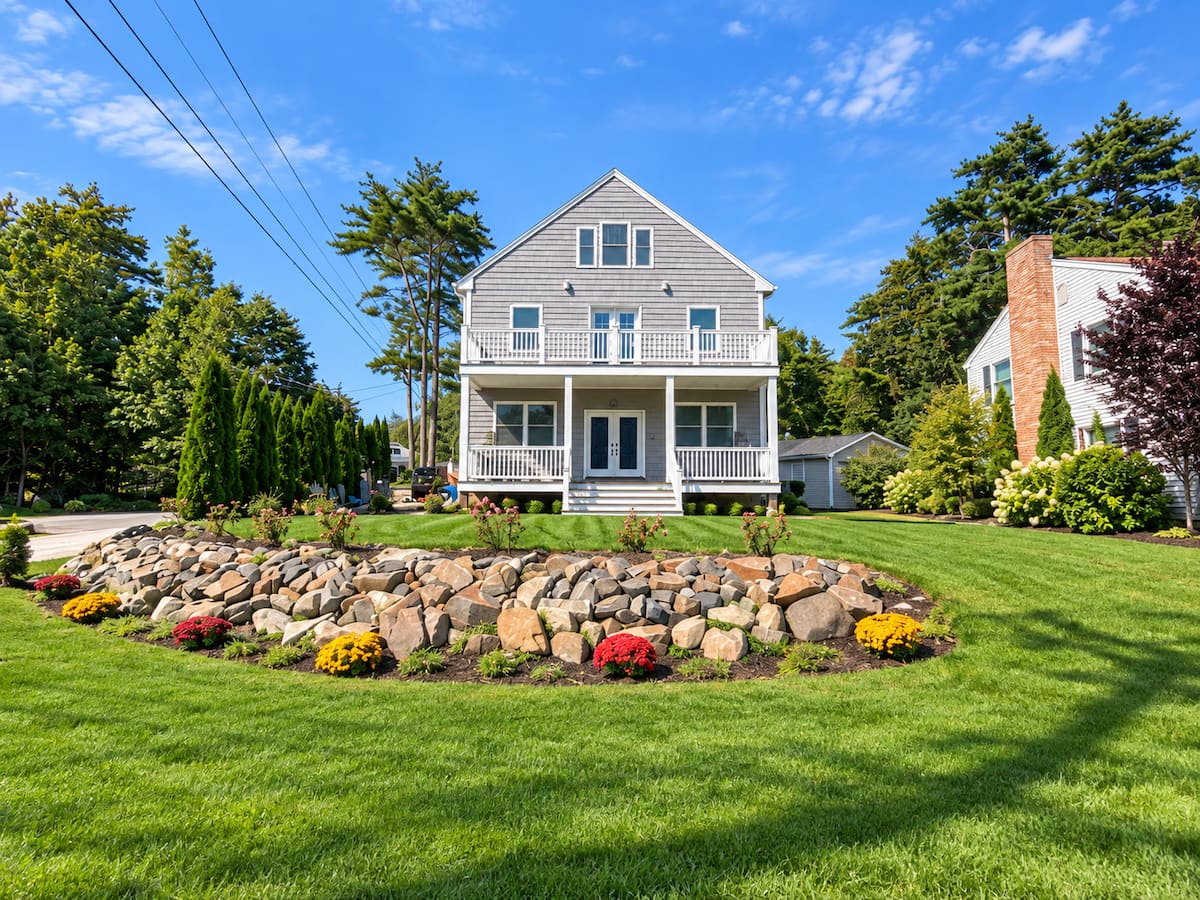
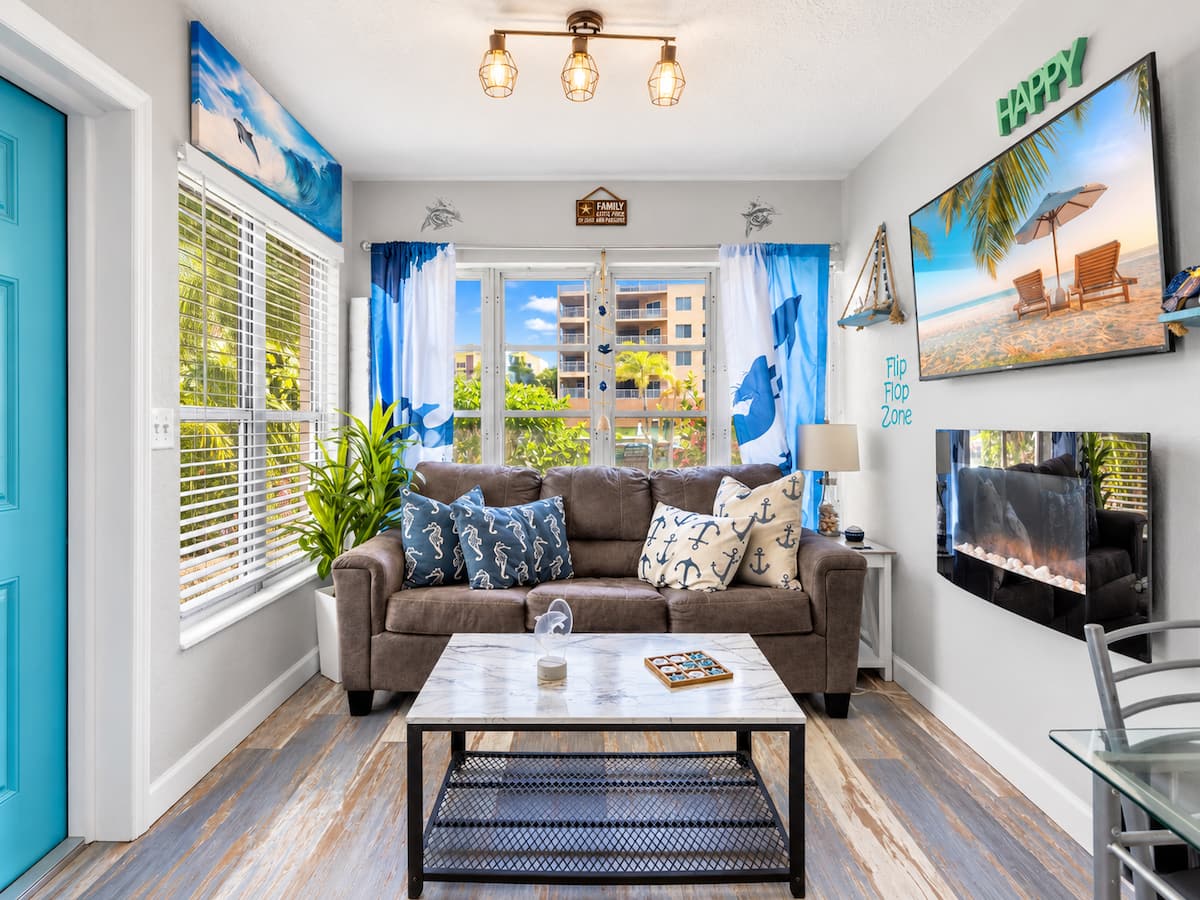
Real listings across Florida and Maine. Tap any home to see it live on Airbnb.
New
★ 5.0
New
 ★ 4.86
★ 4.88
★ 4.86
★ 4.88
 New
New
New
New
 ★ 4.8
★ 4.8
We study your market and the listings yours competes with, then tell you exactly what we would change to make it perform.
Pricing, guests, cleaners, maintenance, and reviews, all handled by us, so you do not lift a finger.
Monthly reports with every dollar tracked. Occupancy, nightly rate, revenue, full transparency.

Former collegiate football player turned entrepreneur. I started Premier STR because I saw too many property owners leaving money on the table, getting burned by absentee managers or grinding through self-management with no systems in place.
I built this company to do one thing: treat every property like it's my own. That means hands-on management, obsessive attention to detail, and full transparency with every owner I work with. No corporate runaround. No disappearing acts. Just results.
Based in Tampa Bay and managing properties across Florida and Maine, I know what it takes to consistently outperform, the seasonality, the guest expectations, and the systems that drive results in any market. If you're looking for someone who actually gives a damn about your property, let's talk.